
_edited_edited.png)
Why Deck Glass Guard Rails Fail and How to Get Them Installed Right the First Time

Glass should never be the weak point in a deck guard rail. When a panel shifts, rattles, drops out of its shoe, or falls completely, it is more than a cosmetic problem. It is a serious safety failure.
We have seen this too many times: a homeowner calls because the glass in their deck railing is loose, crooked, out of alignment, or has already fallen out. Often, the installation looked fine at first glance. A few seasons later, the problems show up. The usual cause is not the glass itself. It is poor planning, improper hardware, weak anchoring, or installers who were not qualified glaziers. Would you want a medical operation procedure performed by someone who never went to medical school? Would you hire a plumber to do your electrical work? The same goes for Glazing, though what is taking place ou there is like the wild west. Glass installations always should be done by or under the supervision of a Red Seal Certfied Glazier, Period!
A proper glass guard rail system should be engineered, installed cleanly, and built to meet today’s safety expectations from day one.

Glass guard rails fail when the system is treated like decoration
Glass railings look simple. That is part of the problem.
A finished deck guard may appear to be just glass, posts, clamps, and a top cap. In reality, it is a safety system. It has to resist wind, impact, movement, vibration, freeze-thaw cycles, and everyday use. People lean on it. Snow can build up around it. Deck framing can move over time. Hardware can loosen if it was never specified or installed correctly.
When installers treat glass panels as decorative inserts instead of structural guard components, failures are far more likely.
Common problems include:
Incorrect glass type
Exterior guard rail glass must be appropriate for the application. Not all glass is suitable for use as a guard.
Poorly matched hardware
Clamps, shoes, posts, gaskets, and fasteners must work together as a system.
Weak anchoring or stabilization
Even quality hardware can fail if it is fastened into poor backing or undersized framing.
No allowance for movement
Decks move with temperature, moisture, and load. Glass systems need to account for that movement.
Improper panel spacing or sizing
Gaps, uneven reveals, and panels set out of plumb can create stress points and an unfinished look.
A safe glass guard rail is not built by guessing. It is built by understanding the loads, the substrate, the hardware, and the code requirements that apply to the project.
The lowest bid can become the most expensive option
There is a reason many failure calls happen a few years after installation. The lowest bid often looks attractive on paper because the shortcuts are hidden.
Maybe the installer used cheaper fittings. Maybe the posts were not properly secured to the structure. Maybe the glass was measured poorly, then forced into place. Maybe the crew had general construction experience, but not proper glazing experience.
At first, the railing may pass a quick visual inspection. Later, the signs appear:
Panels begin to lean or shift
Glass rattles in the wind
Clamps loosen or corrode
Gaskets pop out or deteriorate
Gaps between panels become uneven
The top line of the railing looks wavy
Water collects where it should drain
A panel slips, drops, or falls out
That last point is unacceptable. Glass falling from a deck guard rail is dangerous to anyone on the deck, below the deck, or near the home and believe it or not something we have encountered as a result of poor workmanship by others on multiple occasions.

A cheaper installation is not cheaper if it needs to be repaired, rebuilt, or replaced. It also creates stress for the homeowner, especially when the deck is elevated or used by children, guests, or pets.
Certified glaziers know what matters before the glass arrives
A proper installation begins before a single panel is set.
Qualified glaziers look at the full system. They check the deck structure, railing layout, mounting points, hardware requirements, glass specifications, clearances, and finished alignment. They also understand that glass cannot be forced to “fit” the way wood can.
That experience matters.
A certified glazier knows how to handle and install glass safely. They understand edge protection, panel tolerances, setting blocks, gaskets, drainage, thermal movement, and hardware compatibility. They also know when the existing deck structure needs reinforcement before a railing system can be safely installed.
This is where good workmanship becomes visible. Panels line up. The top edge looks consistent. Posts are plumb. Gaps are even. Hardware is seated properly. Nothing feels loose or improvised.
A well-installed railing should feel solid, but it should also look right. Glass that is crooked, wavy, or uneven can make an expensive deck look careless.
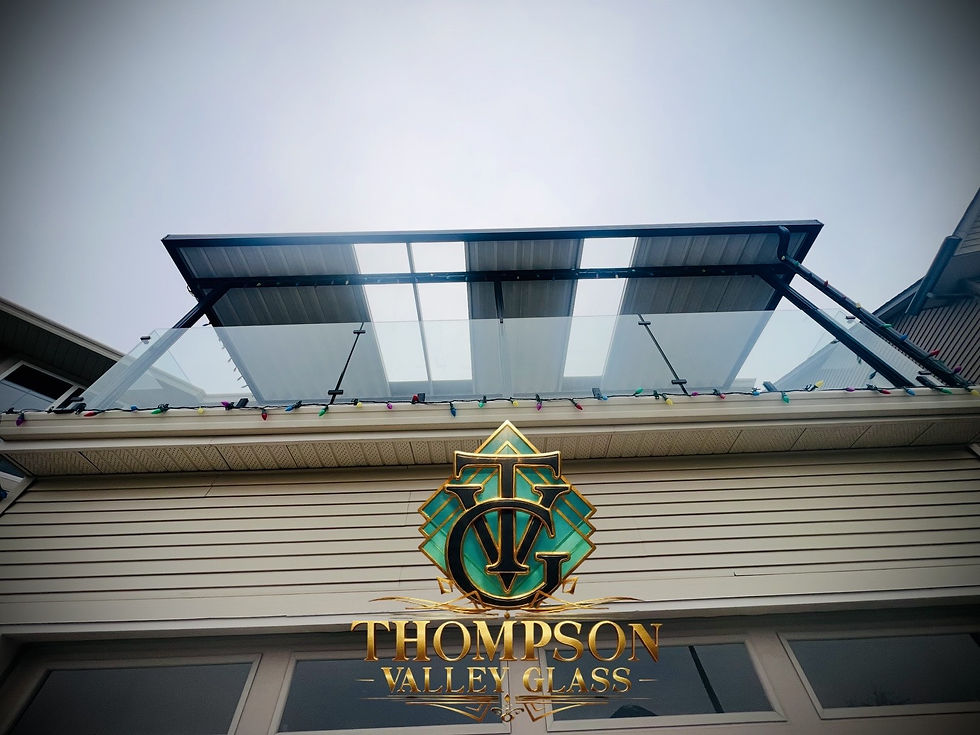
Good installation is not just about avoiding failure. It protects the look of the entire project.
The right installation process protects both safety and appearance
Every project is different, but the best deck glass guard rail installations follow a careful process.
It usually starts with site review. The installer should confirm what the railing will attach to and whether the deck framing can support the chosen system. If the attachment points are weak, the railing may never perform properly, no matter how good the glass looks.
Next comes system selection. Post systems, standoff systems, base shoe systems, and framed or frameless designs all have different requirements. The right choice depends on the deck, exposure, design goals, and engineering needs.
Then comes accurate measuring. Glass panels need precise dimensions. Poor measurements can lead to uneven sightlines, oversized gaps, forced fittings, or extra stress on the glass.
After that, installation should be clean and methodical:
Hardware positioned according to the system requirements
Fasteners selected for exterior use and the supporting structure
Glass protected from direct contact with hard metal surfaces
Gaskets, blocks, and setting materials installed correctly
Panels aligned before final tightening
Final checks completed for plumb, level, spacing, and stability
The result should be a guard rail that looks intentional, not patched together.

This is also where engineered safety standards matter. A compliant guard rail system is designed and installed to perform under real conditions, not just to look good in a photo. For decks, balconies, and elevated areas, that difference is critical.
Do it right before there is a problem
Glass guard rails can be beautiful, durable, and safe. They offer clear views, a clean modern look, and strong protection when they are installed properly. The failures we see are rarely unavoidable. Most come from poor workmanship, weak planning, or hiring the lowest bidder instead of a qualified glass professional. Just because a company is in the business of glass installations does not necessarly mean any of their employees have ever even worked with a Journeymen Glazier or seen a single year of glass trade school.
If the glass is already loose, crooked, or shifting, it should not be ignored. A small movement today can become a much larger safety issue later. If a panel has or appears to be about to fall out, the system needs more than a quick patch. It needs a proper assessment.
The best approach is simple: have deck glass guard rails installed by experienced, certified glaziers like those at Thompson Valley Glass who understand the full system, not just the visible glass.
Done right, the railing should look sharp, feel secure, and meet the safety standards expected of a modern deck. Done poorly, it can become dangerous, costly, and frustrating. The difference starts with who installs it.


Comments